Multigenerational businesses are family-run enterprises passed from one generation to the next, while preserving a shared vision, a living heritage, and a responsible relationship with their surroundings. Their continuity depends on combining memory, adaptation, shared leadership, and decisions that protect both the guest experience and the nature that sustains them.
Why do multigenerational businesses endure?
The story of a family-run hotel or resort isn’t built solely from buildings, rooms, or services. It takes shape through the decisions of its founders, the people who have cared for it, and the guests who, over time, become part of its story.
In a multigenerational business, each generation inherits more than a company: it inherits a responsibility. That responsibility means preserving the original values, understanding a changing world, and finding new ways to keep the project’s purpose alive.
That’s why these businesses can thrive over the long term when they balance three dimensions:
- Identity: a clear story that guides the experience and sets the property apart.
- Continuity: processes, knowledge, and values passed from one generation to the next.
- Adaptability: the ability to meet new needs without losing the essence.
When that balance exists, the business no longer depends solely on one person. It becomes a learning community where accumulated experience and new ideas work together.
History as a living heritage
Preserving a history doesn’t mean turning a business into a museum. It means letting its origins continue to shape the way it welcomes guests, builds, cooks, offers rest and connects with the land.
Family stories provide context. They explain why a place was chosen, what challenges were faced and which principles guided the first decisions. They also help staff and visitors understand that they’re entering a place with meaning.
A well-told story can become a tangible experience through:
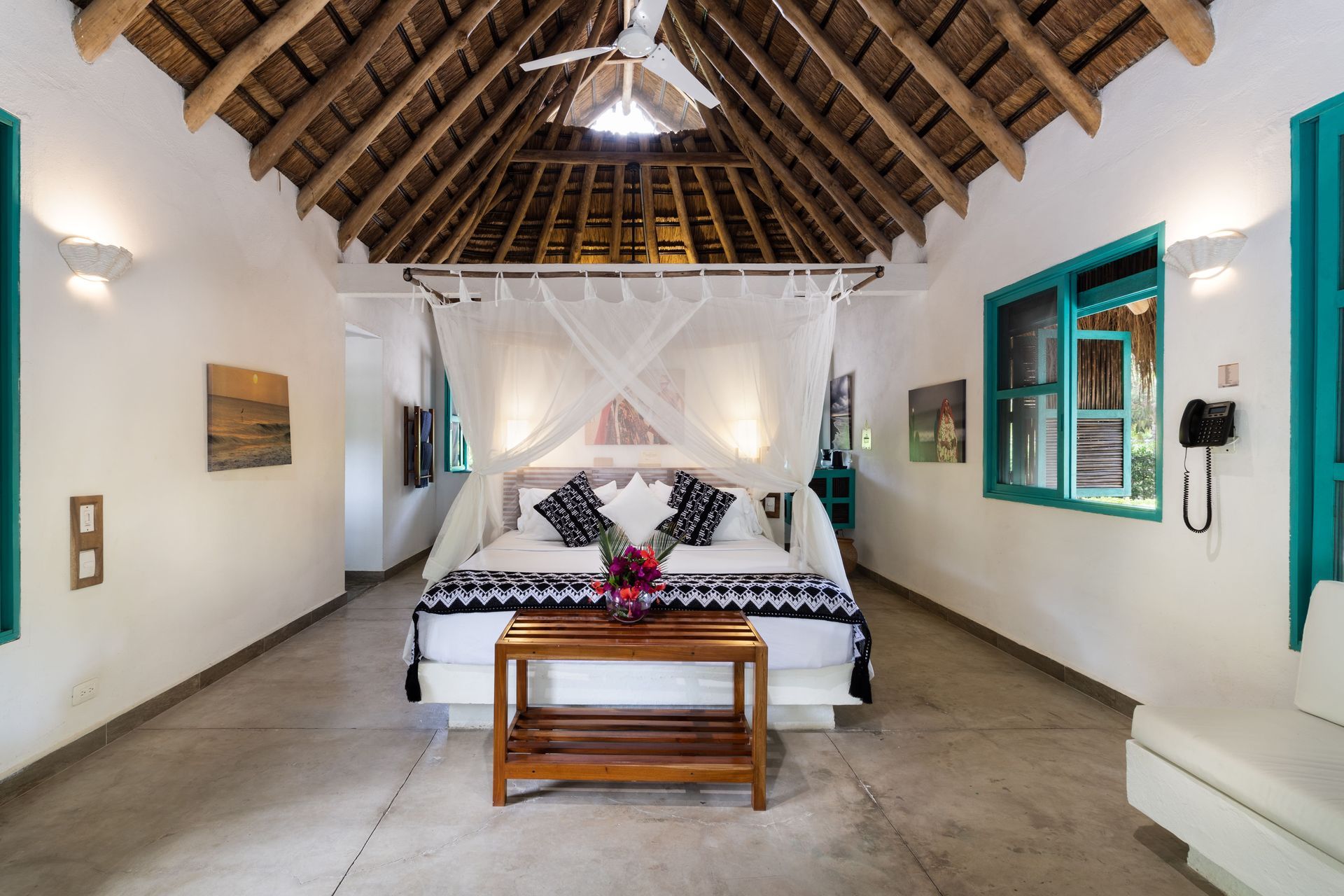
- Architecture in harmony with nature: materials, forms, and spaces that complement the landscape.
- Cuisine rooted in place: local ingredients and recipes that express the region.
- Hospitality rituals: ways of welcoming guests that reflect the family’s values.
- Discovering the surroundings: activities that connect visitors with local biodiversity and culture.
- Shared memories: photographs, testimonials, and anecdotes woven in naturally.
In this sense, memory isn’t decorative. It’s a tool for making better decisions in the present.
How is a legacy passed down through generations?
Passing on a legacy takes more than legal or administrative succession. It takes conversation, documentation, and participation. The next generation needs to understand how the project began, while also having room to propose different solutions.
A healthy transition usually includes these steps:
- Define the values that must never change.
- Document important stories, lessons, and practices.
- Assign responsibilities based on ability, not just age.
- Set aside regular times to talk about the future.
- Train the next generation in operations, finance, service, and sustainability.
This way, the legacy isn’t passed down as a rigid list of rules. It becomes a guiding principle for making decisions. A younger generation can adopt new technology, improve digital communications or design new experiences without losing its deep connection to the land.
Aité Eco Resort: A Love Story Inspired by the Caribbean
On the beaches of Palomino, Aité Eco Resort has its roots in a love story inspired by nature and the beauty of the Caribbean. In the 1970s, Carlos Samper, a «cachaco», and Martha Herrera, a «uruguaya», found a connection in this landscape that, over time, grew into a life project.
What began as a personal connection to the land grew into a retreat for those seeking rest, quiet, and an authentic connection with nature. That evolution captures an essential quality of multigenerational businesses: an original vision can grow without losing the passion that sparked it.
Learning more about this journey helps explain how the property took shape and which decisions have shaped its identity. Read
Our history to discover Aité’s beginnings and how that history continues to live on.
Aité is more than a seaside stay. Its vision grew out of a long-standing relationship with Palomino, La Guajira, and its landscapes. Each space is designed to offer comfort without overshadowing its surroundings, and every experience invites you to slow down and focus on what matters.
What does it take to sustain a family-run business over time?
Continuity depends on a shared vision, but also on consistent management. Love for a place can inspire a project; sustaining it takes organization, professional management, and a willingness to learn.
The most important factors include:
A mission everyone can believe in
A mission should be simple and practical. At Aité, that means creating a retreat where guests can reconnect with what matters, in harmony with nature. A clear mission helps evaluate new ideas: do they enhance the experience? Do they respect the environment? Are they true to the story?
Clear roles and collaboration
Family members may share strong emotional bonds, but running a business requires clearly defined responsibilities. Knowing who makes decisions, who carries them out and how disagreements are resolved keeps personal issues from affecting the guest experience.
Ability to evolve
A property that never changes may stop meeting its guests’ needs. Evolving doesn’t mean chasing every trend; it means paying attention to real needs and making thoughtful improvements. Wellness, dining, adventure, and retreats can all evolve while staying true to the same essence.
Explore our Experiences, Wellness and Gastronomy offerings to see how one identity can take shape at different moments of your stay.

Sustainability: preserving what makes us who we are
For a property located in a sensitive ecosystem, sustainability can’t be a temporary campaign. It’s a condition for a future. If the landscape loses its balance, an essential part of the experience and the heritage the family hopes to preserve is lost too.
Environmental conservation can be reflected in everyday decisions:
- Responsible use of water and energy.
- Reducing waste and choosing durable materials.
- Protection of local vegetation and habitats.
- Hiring and collaborating with people from the region.
- Helping guests enjoy the area without harming it.
Sustainable tourism works best when it’s integrated into every aspect of operations, from construction and maintenance to food and activities. Learn about Aité’s approach in Sustainability and explore ways to travel responsibly in Sustainable Tourism.
What can visitors learn from places like these?
A multigenerational property offers a different way to travel. Guests don’t just enjoy a service; they connect with a story, a landscape, and a different way of thinking about rest.
That experience can prompt important questions: where does the food come from? How is this ecosystem protected? How does the architecture respond to the climate? What knowledge has helped this place endure?
In Palomino, nature is an essential part of the answer. The biodiversity, sea, river, and nearby mountains make up a landscape worth exploring with respect. To plan your visit, check What to do in Palomino in 2026, Biodiversity in Palomino and Adventure activitues.
The future of multigenerational businesses
A family project’s longevity isn’t about repeating the past exactly. It’s about protecting what gives it meaning while finding new ways to express it. History provides roots; innovation makes it possible to keep growing; sustainability ensures the land can continue to be both home and destination.
Aité Eco Resort brings these three dimensions together in Palomino: a family history, a relaxing getaway and a commitment to Caribbean nature. For those looking to travel mindfully, choosing a place like this means valuing not only where they stay, but also the vision they help sustain through their visit.
The next step is to learn how the project began, review its practices, and choose experiences that reflect its values. That way, every stay can become part of a story that’s still unfolding.