The biodiversity in Palomino is one of its greatest treasures, though many travelers don't notice it at first glance. In Aité and La Mello, more than 120 species of birds, mammals, amphibians, and reptiles have been identified in an ecosystem where the sea, mangroves, and forest are naturally interconnected. This richness not only makes the destination unique but also reflects a vibrant, balanced environment in an excellent state of conservation.
How many species inhabit Aité and La Mello?
A study conducted at Aité Eco Resort and its sister property, La Mello Private Nature Reserve, encompassing over 300 hectares of protected land, provided a deeper understanding of the ecological richness of this area, where the Sierra Nevada de Santa Marta meets the Caribbean Sea. This characterization, carried out in 2015 by the CAR and the Omacha Foundation, documented surprising biodiversity and revealed a far more complex and active ecosystem than many imagine.
During the observation and monitoring periods, a detailed taxonomic record was obtained, which now serves as the basis for our sustainability policies. The final species count per group was as follows:
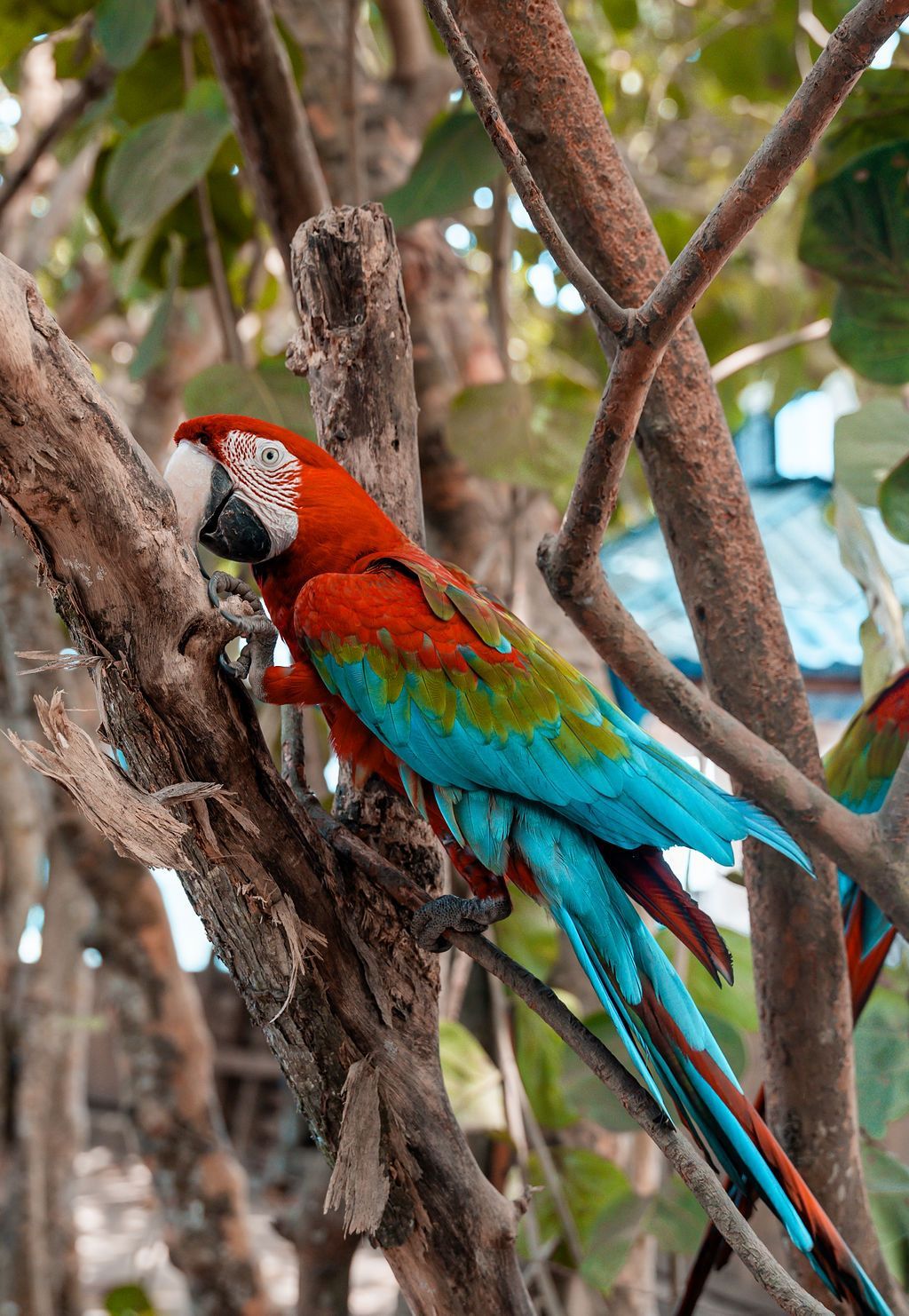
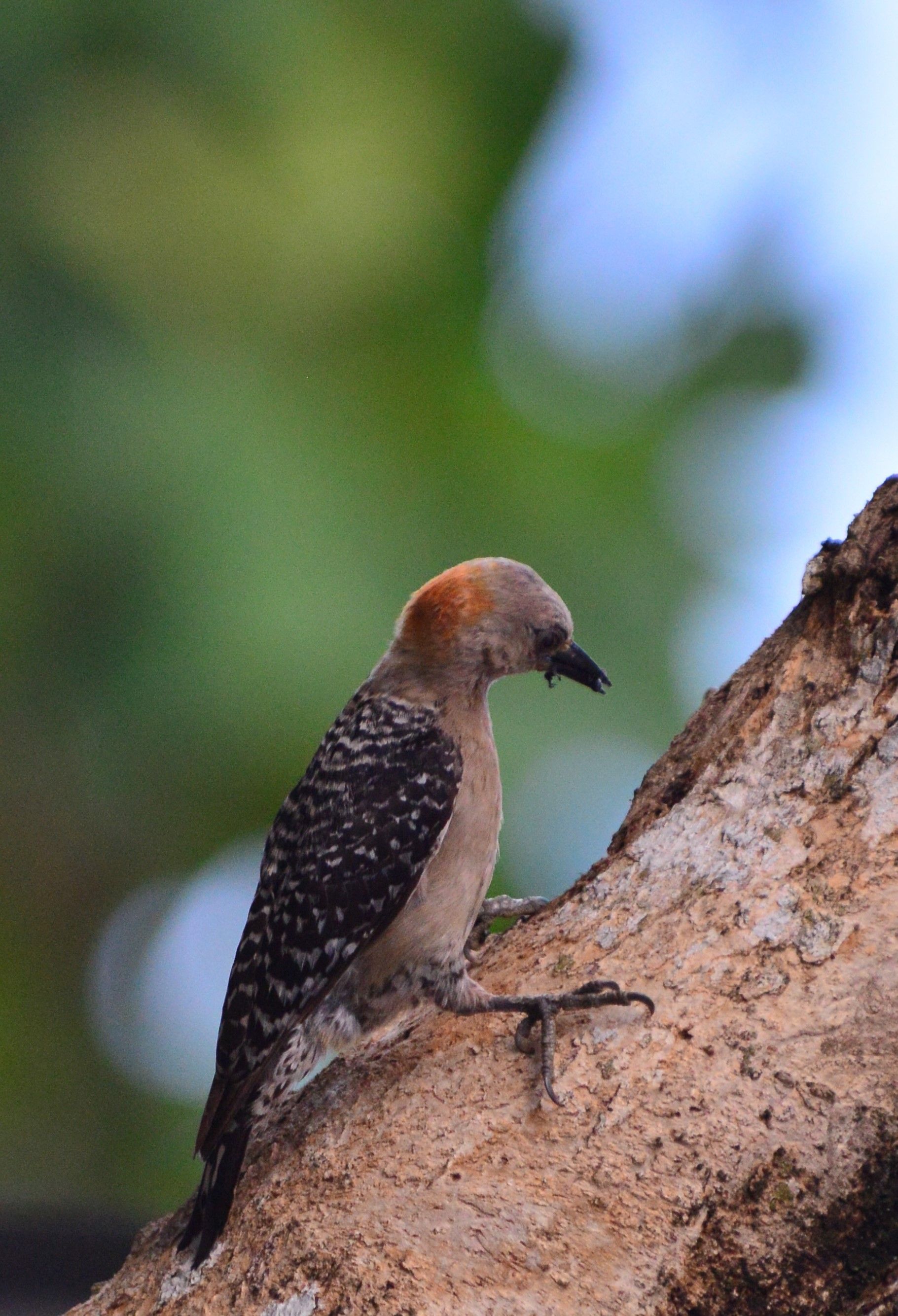
- 80 species of birds: From woodpeckers and hawks to owls, inhabiting mangroves, riverbanks, and forested areas of the territory.
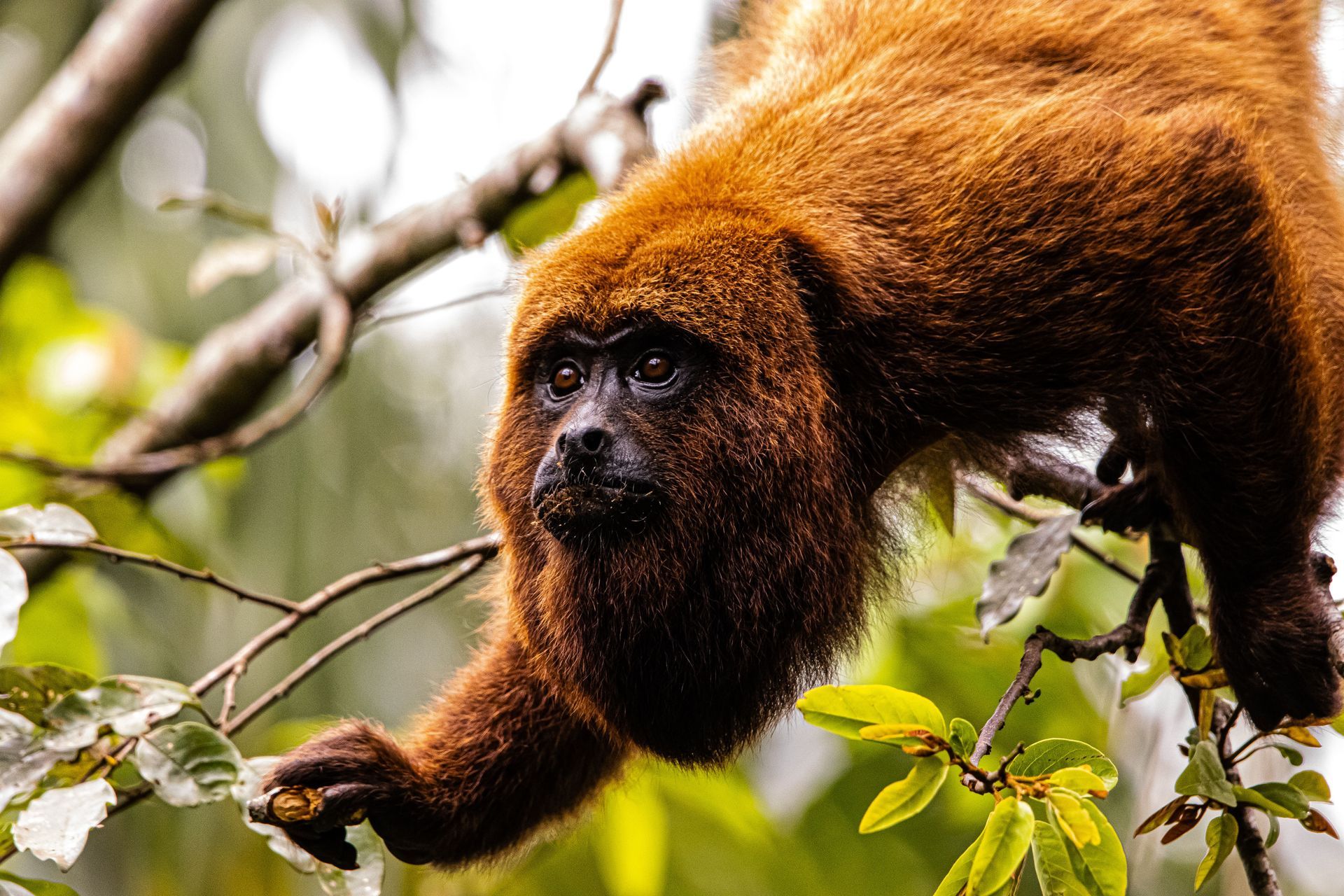
- 26 species of mammals: Including howler monkeys, ocelots, armadillos, and other key animals for maintaining the ecological balance.
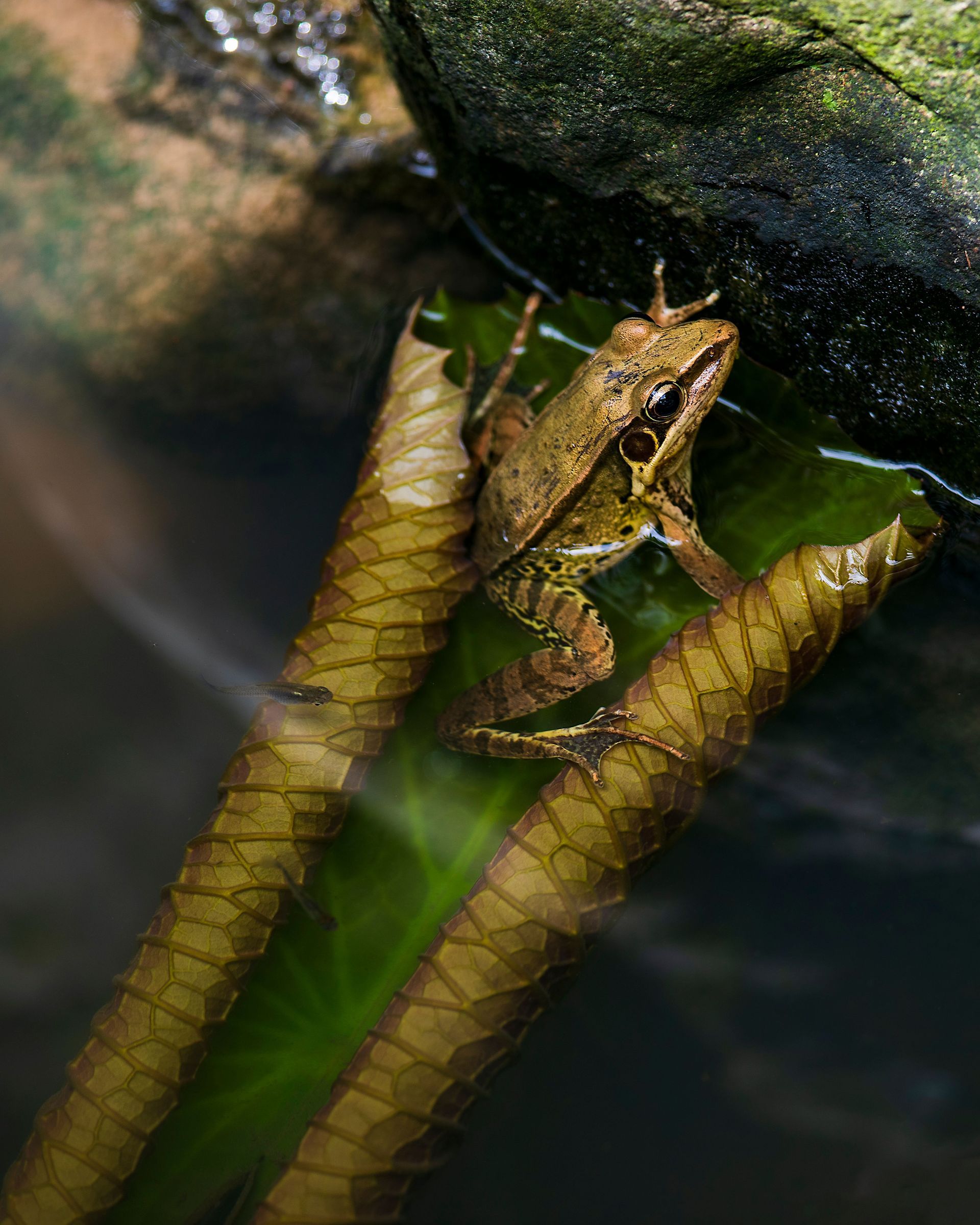
- 9 species of amphibians: Such as frogs that inhabit wetlands and bodies of water, highly sensitive to environmental changes.
- 6 species of reptiles: Among them iguanas, lizards, and species associated with mangroves and areas near water.
This figure of 121 species in a relatively private area demonstrates that when tourism is managed respectfully, nature not only survives but thrives. The presence of such a variety of fauna is a testament to the health of the soil, air, and water in this specific part of La Guajira.
A mosaic of ecosystems between the sea and the river
What makes biodiversity in Aité so dense is the confluence of four distinct ecosystems in a small area. This geographical configuration creates so-called "ecotones," transition zones where species from different habitats mix, exponentially increasing biological richness.
- The Caribbean Sea: Provides the necessary humidity and regulates the temperature of the coast.
- The Mangrove: It functions as a maternity ward for many marine species and a refuge for shorebirds.
- Rivers and Streams: Constant fresh water that descends from the glaciers of the Sierra Nevada.
- The Tropical Forest: A dense layer of vegetation that provides shelter and food for terrestrial mammals and birds.
The combination of these environments allows guests to go from observing a blue crab in the mangrove to spotting a toucan in the canopy of an ancient tree, all within a short walk from their room at Estadia Aité. This proximity to wildlife is one of the cornerstones of our wellness experiences.
Birds and Mammals: The protagonists of the forest
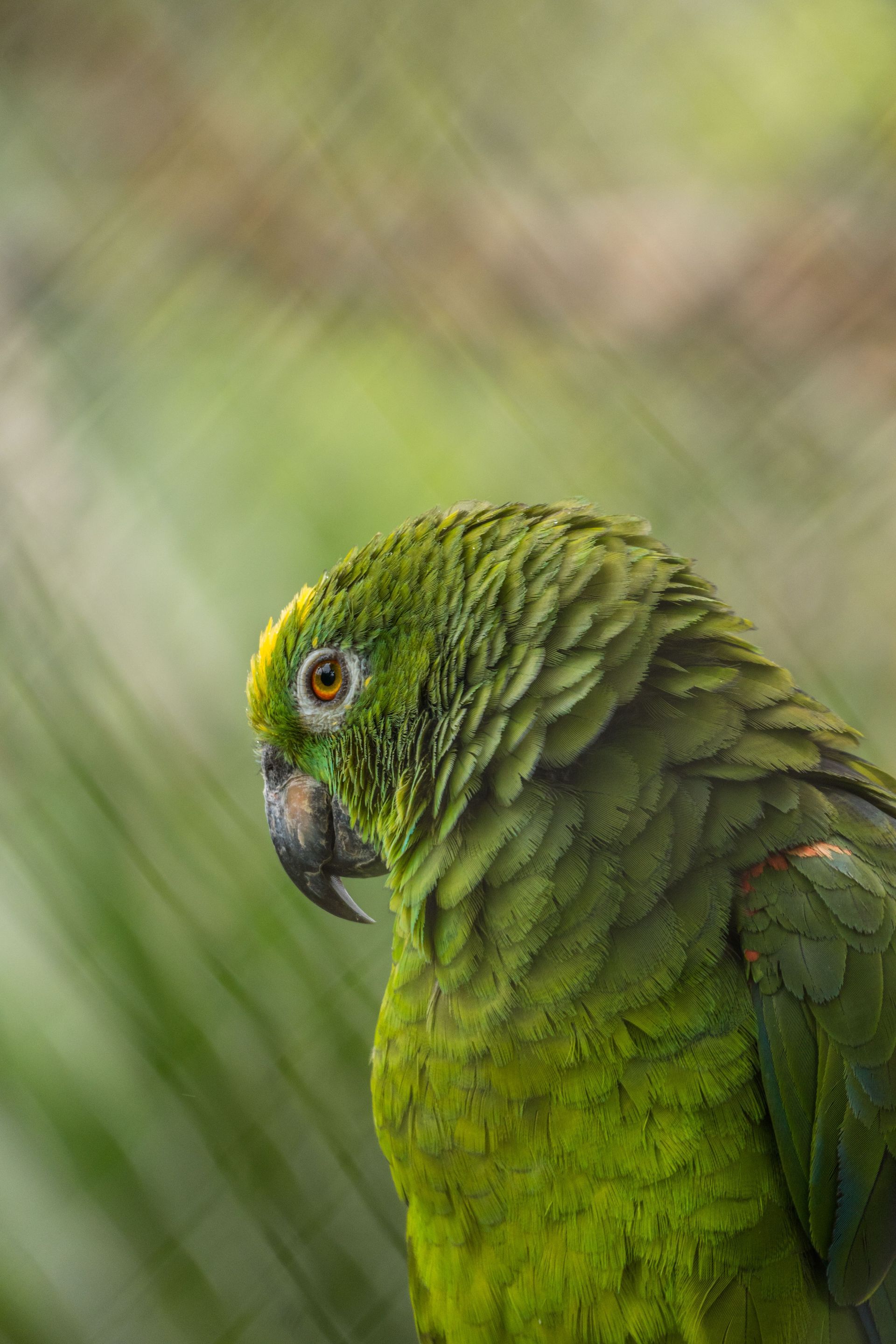
Among the 80 bird species recorded, those that depend entirely on well-preserved forests stand out. Birdwatching in Palomino is not just a hobby; it's a way to connect with the continent's evolutionary history. During the study, species were identified that use the biological corridor connecting the coast to the snow-capped peaks. Many of these birds are migratory, using our beaches and forests as crucial resting points on their transcontinental journeys.
Regarding the 26 mammals, the study highlighted the presence of bioindicator species. Mammals are often the first to disappear when an ecosystem is fragmented or polluted. Seeing the tracks of small felines or hearing the howls of primates at dawn around Aité is a clear sign that the forest is alive and functioning as a healthy ecosystem. This richness is essential for maintaining the balance, as these animals act as seed dispersers, allowing the forest to regenerate naturally.
Why are bioindicator species key for us?
A bioindicator species is one whose presence, absence, or health status provides direct information about environmental quality. The 2015 study focused particularly on amphibians and certain types of birds that are extremely sensitive to chemical changes in water and soil.
- Water Quality: The presence of 9 amphibian species indicates that pesticide and contaminant levels in our water sources are practically zero.
- Air Health: Certain recorded birds and lichens depend on clean air for their life cycle.
- Soil Stability: Reptiles and small burrowing mammals demonstrate that the soil maintains its original structure and nutrients.
For us at Aité, understanding that we are home to these species is a responsibility. It's not just about offering a place to rest, but about protecting a sanctuary. That's why we actively promote sustainable tourism in Palomino, educating our visitors about minimizing their impact during their stay. Conserving these habitats ensures that future generations can also enjoy the natural spectacle that surrounds us today.
Conservation and commitment to the environment
The study was not just an academic exercise, but a call to action. Upon identifying that much of the wildlife in Aité and La Mello is in a good state of conservation, we decided to strengthen our environmental practices. This includes responsible waste management, the use of clean energy, and strict protection of the mangrove areas that serve as a natural boundary between the resort and the beach.
If you're interested in learning more about how we integrate these findings into our daily operations, you can visit our sustainable tourism section. There, we explain how each reserve directly contributes to keeping these biological corridors open and protected from deforestation and poaching—threats that, unfortunately, still exist in other parts of the region.
The future of biodiversity in Palomino
Current indications are positive. Sightings reported by our guides and guests suggest that bird and mammal populations remain stable and have even increased in certain protected areas of the resort.
By choosing to stay in a place that values science and ecology, you become part of the conservation team. Palomino is much more than sun and sand; it's a living laboratory of Colombian nature. We invite you to explore with curious eyes and respect every living being, no matter how small, that you encounter on your journey through Aité.
Summary of key findings
- High Diversity: 121 scientifically confirmed species in a private area.
- Ecological Balance: The presence of amphibians confirms the purity of the local water.
- Migratory Home: 80 species of birds use Palomino as a vital refuge.
- Connectivity: Aité and La Mello function as biological bridges between the Sierra and the sea.
- Commitment: Protecting the mangrove is essential for the health of the entire ecosystem.
This study reaffirms that harmony between humankind and nature is possible. In Aité, "love" and "rest" are not just words of indigenous origin, but a promise we fulfill every day by protecting the wildlife that surrounds us.