
Nature reserves in the Colombian Caribbean offer much more than beaches: they are areas of rainforest, mountains, wetlands and ancestral cultures that deserve protection. For mindful travelers, visiting them means enjoying them respectfully, supporting local initiatives and choosing responsible accommodations, such as Aité Eco Resort, a nature reserve in Palomino.
Why Choose Nature Reserves in the Colombian Caribbean?
The Colombian Caribbean brings together extraordinary ecosystems within just a few kilometers: the sea, tropical rainforest, the Sierra Nevada, clear rivers and wetlands teeming with migratory birds. Traveling through these places lets you connect with nature without treating it as a backdrop for consumption.
Conscious travel aims to reduce impact and benefit local communities. A few simple choices can make a difference:
- Respect the trails, schedules, closures and rules of each protected area.
- Avoid single-use plastics and take all your waste with you.
- Hire local guides and buy regional products.
- Do not feed, touch or photograph wildlife in an intrusive way.
- Choose accommodations committed to conservation and local well-being.
For more ideas to help plan your trip, read this guide to sustainable tourism in Palomino.
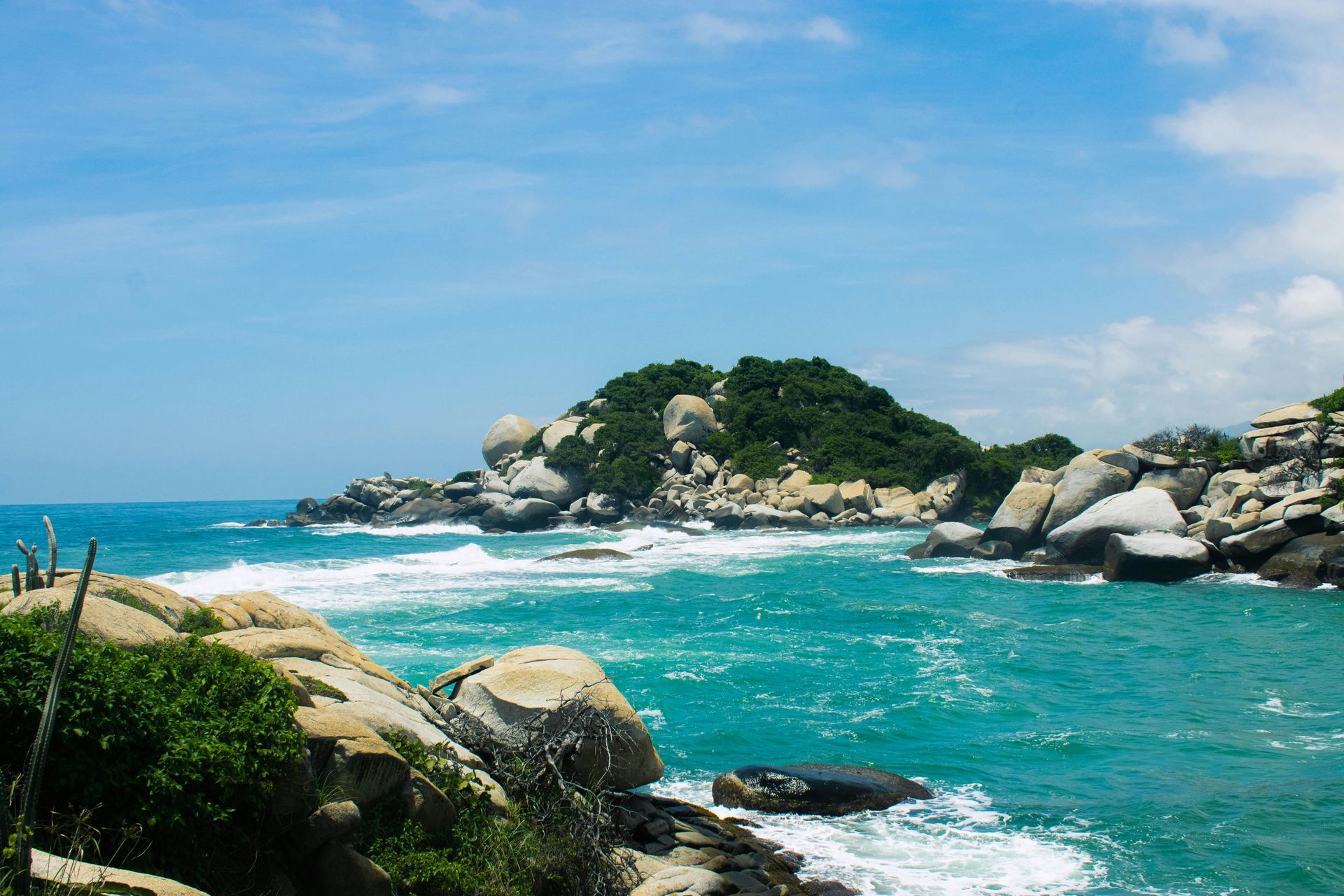
1. Tayrona National Natural Park: Beaches Between the Jungle
Tayrona National Park is one of the best-known destinations on the Caribbean coast. Its beaches, trails and tropical forests create a landscape where the sea meets the Sierra Nevada. Cabo San Juan, Arrecifes, Cañaveral and other areas draw visitors looking to hike, spot wildlife and relax by the ocean.
However, its beauty comes with a responsibility to protect it. The park has visitor limits, seasonal closures and specific rules to safeguard its ecosystems and culturally significant sites. Before your visit, check entry conditions and don’t leave litter or stray from the trails.
From Aité Eco Resort, you can plan a more relaxed and mindful experience in this natural area. You can also read this guide to Tayrona National Park from Palomino .
How Can You Visit Tayrona Responsibly?
Walk at your own pace, swim only in designated areas, protect the vegetation and follow the park rangers’ recommendations. The best visit isn’t the one with the most photos, but the one that leaves the smallest footprint.
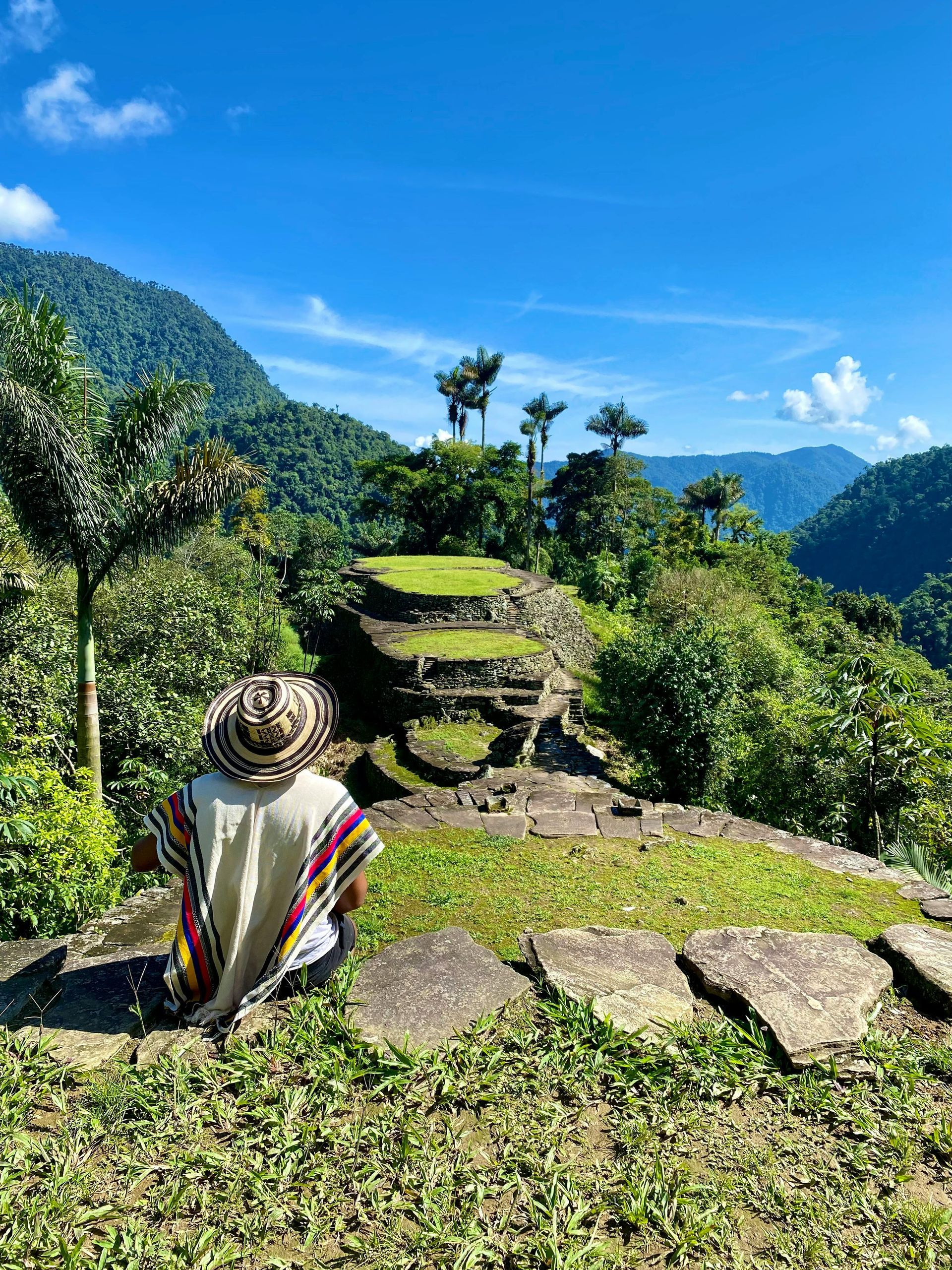
2. Sierra Nevada de Santa Marta: A Sacred Mountain
The Sierra Nevada de Santa Marta is one of Colombia’s most extraordinary natural landscapes. Rivers that sustain the region begin in its varied climate zones, which are home to unique plant and animal species. It is also sacred land for Indigenous peoples such as the Kogui, Arhuaco, Wiwa and Kankuamo.
Its value goes beyond its peaks. The Sierra represents a deep connection between water, forests, communities and spiritual balance. Visiting it therefore calls for cultural sensitivity: not every place is open to tourists, and some practices must be respected rather than turned into a spectacle.
To better understand this aspect of the region, you can read about the ancestral wisdom of the Indigenous cultures of La Guajira. It’s also important to choose operators who are authorized and contribute to the local economy.
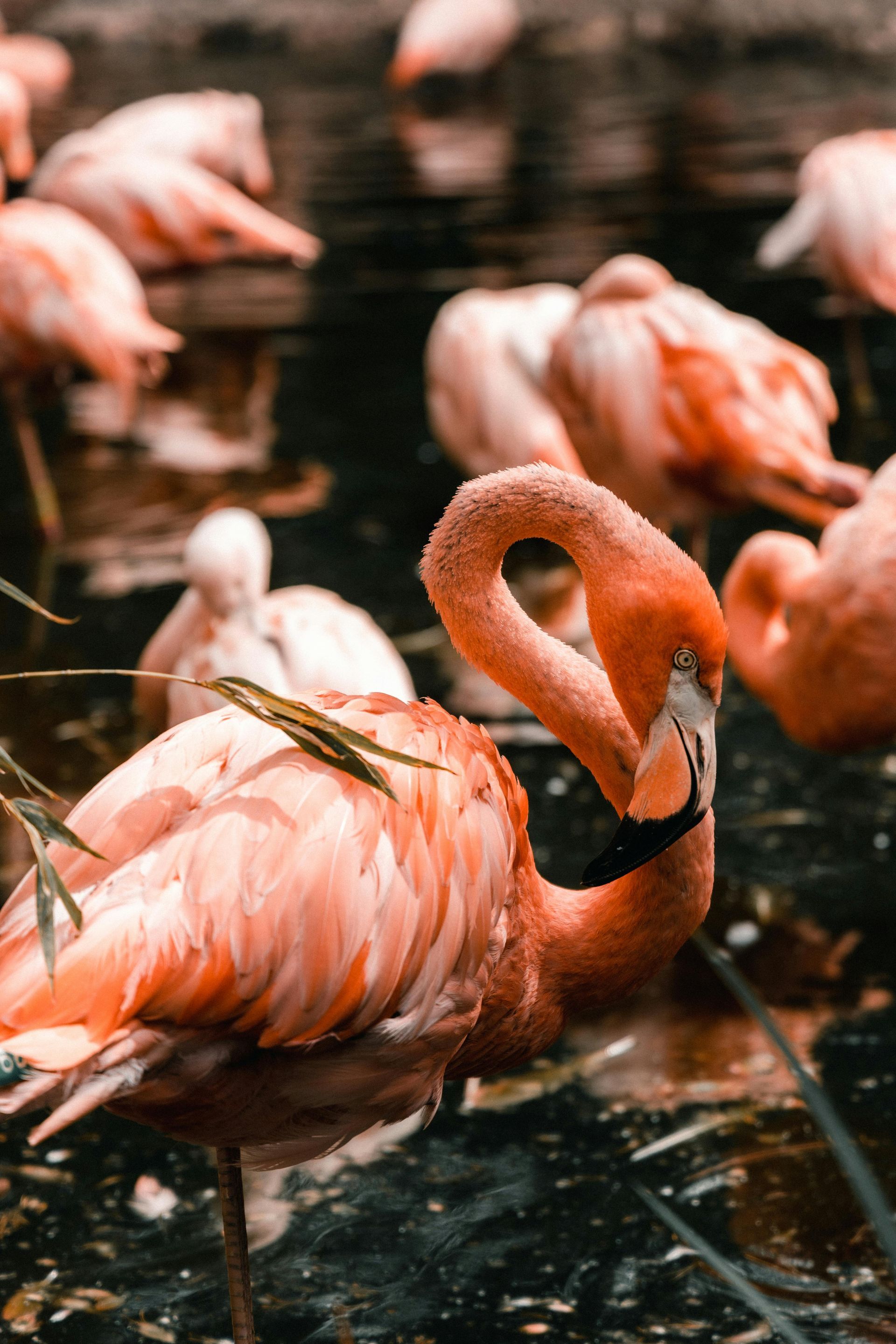
3. Los Flamencos Sanctuary: The Living Wetlands of La Guajira
Los Flamencos Fauna and Flora Sanctuary protects coastal lagoons, mangroves, dry forest and beaches in the department of La Guajira. Its main attraction is the pink flamingos, which feed and rest in the wetlands alongside numerous bird species.
Water levels, rainfall and migration seasons can change the experience. That’s why it’s best to visit the sanctuary with local guides, keep your distance from the birds and use binoculars rather than getting closer for a photo.
This place also offers a chance to understand the relationship between nature and culture in La Guajira. Responsible tourism should value local knowledge, pay fair prices and avoid any activity that uses wild animals as entertainment.
A Visit That Observes Without Intruding
Patience is the best tool for birdwatching. Stay quiet, wear subdued clothing and avoid music, drones or sudden movements. If you’d like to discover more species, check out our guide to birdwatching in Palomino.
4. Don Diego River Basin Protected Area: Wildlife and Kayaking
The Don Diego River flows down from the Sierra Nevada toward the Caribbean through landscapes of great ecological richness. Its basin is home to forests, mangroves, birds, monkeys and other animals that depend on water quality and connected habitats.
One of the most memorable ways to explore it is by kayak, always with responsible operators and within permitted areas. The route lets you take in the scenery from the water without resorting to noisy or intrusive activities.
Before setting out on the water, ask about waste management, safety protocols and where the equipment comes from. Don’t put sunscreen, food or other substances into the river, and avoid touching wildlife. Adventure can be exciting and respectful at the same time.
To combine nature and exploration, discover other adventure activities in Palomino.
5. Aité Eco Resort: A Nature Reserve in Palomino
Aité Eco Resort is more than a place to sleep: it’s a nature reserve in Palomino and a member of Resnatur, the Colombian network of private nature reserves. At this retreat, hospitality goes hand in hand with conservation, quiet and respect for the natural surroundings.
Set amid the natural beauty of La Guajira and the Caribbean, Aité invites you to slow down and reconnect with what matters. Guests can enjoy the beach, observe biodiversity and take part in experiences that showcase local ecosystems—all without giving up comfort or warm, personal service.
The approach is one of conscious luxury: privacy, simplicity, cuisine and well-being in balance with the land. Learn more about sustainability at Aité , explore our experiences or browse our stays.
Why Include Aité in a Nature Itinerary?
Because it makes conservation part of your trip, rather than a separate activity. Staying at a nature reserve helps keep natural areas protected, supports a responsible approach to tourism and gives you an ideal base for exploring Palomino and the surrounding area at a slower pace.

How Can You Plan a Mindful Trip to These Places?
A trip around the Colombian Caribbean can take in several ecosystems, but it’s best not to rush from one to the next. Book ahead, check seasons and closures, and leave time to rest. We also recommend:
- Research the rules of each park or sanctuary before you arrive.
- Choose transportation, guides and accommodations with verifiable practices.
- Bring a reusable water bottle, reef-safe sunscreen and a bag for your waste.
- Ask before photographing people, communities or ceremonies.
- Prioritize quality experiences over a long list of destinations.
Travel to Conserve
These five nature reserves in the Colombian Caribbean showcase the diversity of a region where beaches, rainforest, mountains, rivers and wetlands are deeply connected. Tayrona captivates with its landscapes; the Sierra Nevada reminds us of the importance of sacred lands; Los Flamencos protects birds and wetlands; the Don Diego River invites respectful exploration; and Aité offers a mindful way to stay in Palomino. The next step is to choose a realistic itinerary, learn the rules and book with initiatives that protect nature and support local communities.