


Why is Palomino the best destination for birdwatching?
The short answer is the diversity of ecosystems in a small area. In a hike of just a couple of hours, you can go from a dense tropical rainforest to a dry tropical forest, and end up in the estuaries and mangroves at the mouths of the Palomino or San Salvador rivers. This variety of habitats means that food and shelter are readily available for birds year-round.
Furthermore, Palomino is part of an Important Bird Area (IBA). Here, the air is pure and the noise of civilization is replaced by a natural symphony. Birdwatchers value Palomino for:
- The presence of endemic species of the Sierra Nevada.
- The ease of access to different microclimates.
- The low density of tourists on the birdwatching routes.
- The ancestral knowledge of the local guides.
- Sustainable tourism infrastructure that protects the environment.
Exploring these trails is not just a visual quest; it's a lesson in the interconnectedness of life. Birds are indicators of the health of our ecosystems, and seeing them thrive in Palomino is a sign that we are taking good care of this corner of the world.
Emblematic species you'll see in Palomino
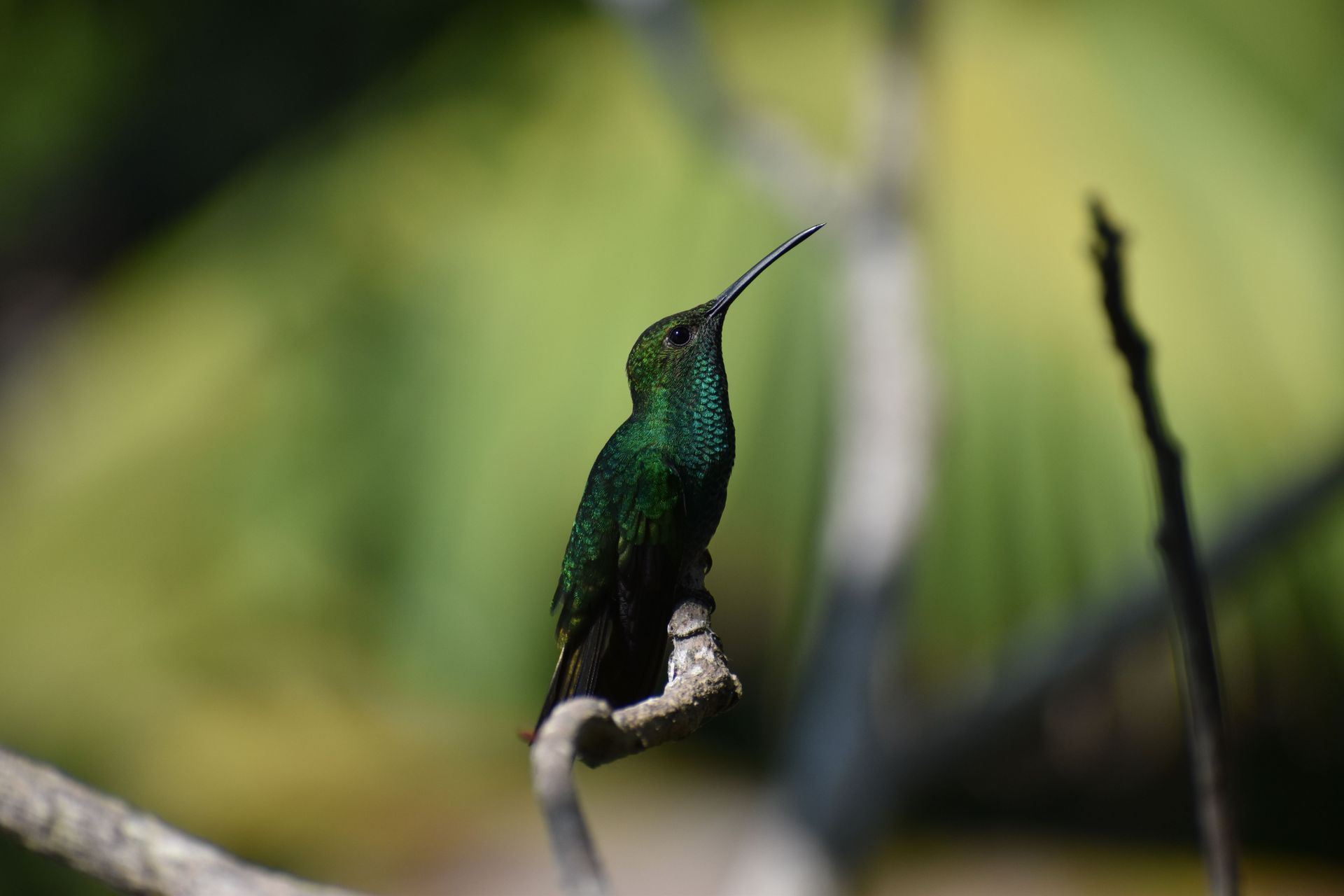
The diversity of birds in this region is one of its greatest treasures. At Aité Eco Resort and La Mello Private Nature Reserve, more than 80 species have been recorded in an ecosystem where the sea, mangroves, rivers, and forest converge. Here, hummingbirds that shimmer like jewels in the sunlight coexist with birds that move between different habitats, creating a vibrant environment where every encounter feels authentic and unique.
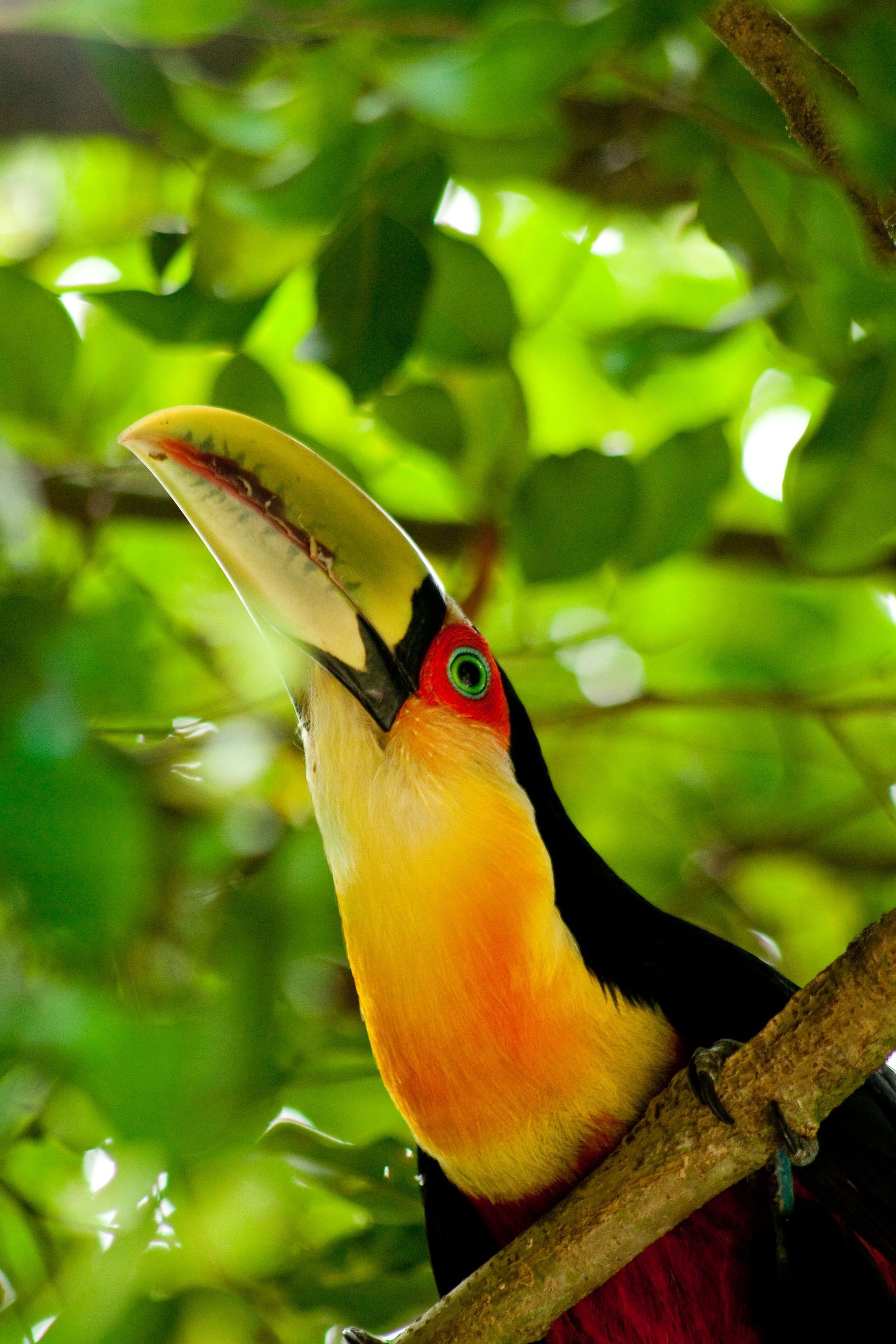
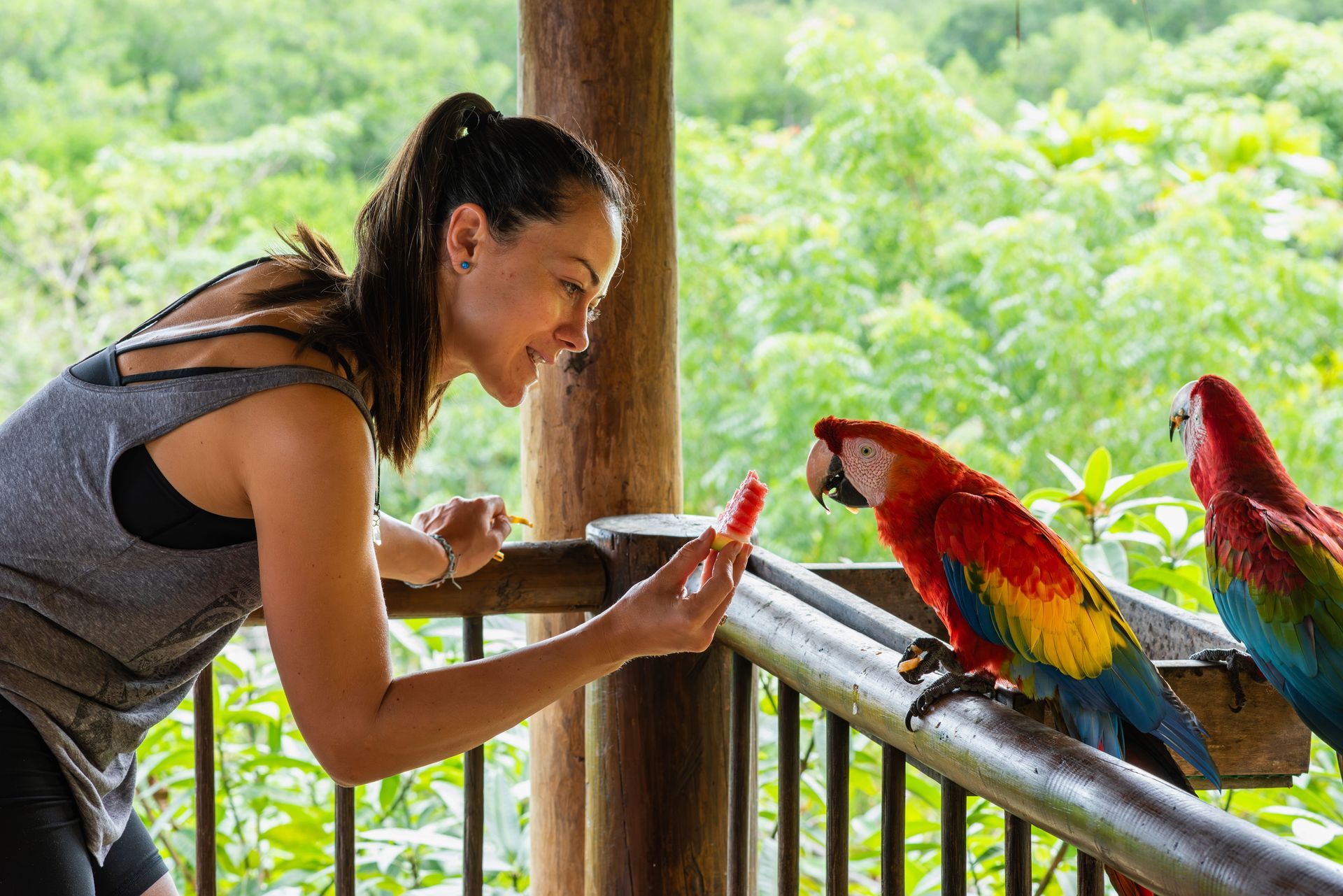
If you are patient and follow the recommendations for silence, you are very likely to encounter species such as the Toucan or the Macaw, which can be found among the gardens of our resort. In the water areas, the Great Egret and the Kingfisher are constant presences, demonstrating their hunting skills in the freshwater and saltwater pools. We mustn't forget the flocks of Parrots that cross the sky at dawn and dusk, filling the air with their energy.
Among the most representative species you can find in the area are:
- Kingfisher in rivers and bodies of water
- Common snail kite, associated with wetlands
- South American jacana, walking on aquatic vegetation
- Hummingbirds like the amazilia
- Sparrowhawks and buzzards, soaring over the landscape
- Tanagers and seedeaters, common in forest areas
For those seeking rare finds, the area near the Sierra offers the chance to see species found nowhere else on the planet. The conservation of these birds is a priority in our adventure experiences, where we promote responsible observation without interfering with their life cycles or feeding habits.
What is the best time for birdwatching in Palomino?
Although the tropical climate allows for birdwatching year-round, there are specific times when activity is more intense. The migration season, which generally occurs between October and April, is a prime time. During these months, birds from North America descend upon Colombia seeking its warmth and abundant resources.
If you're looking to see resident species in the midst of courtship or nesting, the season following the rains (June to August) is ideal, as the rainforest is at its greenest and there is an abundance of fruit. However, there's always something to see in Palomino.
- Early mornings (5:30 AM - 9:00 AM): This is the peak of activity and singing.
- Sunsets (4:30 PM - 6:00 PM): The birds return to their nests.
- Cloudy days: Birds often stay active for longer due to the cooler temperature.
- Dry season (December - March): Greater visibility in the less dense forest.
- Rainy season (October): Ideal for observing aquatic birds in the lagoons that form.
What equipment do I need for birdwatching in the Sierra Nevada?
You don't need to be a professional to enjoy birdwatching in Palomino, but having the right equipment will significantly enhance your experience. Comfort and discretion are paramount. Birds have very sharp eyesight and are easily startled by sudden movements or bright colors.
We recommend wearing earth-toned or green clothing to help you blend in with the foliage. Binoculars are essential; 8x42 binoculars are the gold standard for seeing details in the plumage without sacrificing field of view. Additionally, carrying a field guide (physical or digital) will help you quickly identify what you're seeing and learn about its habits.

Don't forget either:
- Biodegradable insect repellent.
- Environmentally friendly sunscreen.
- Water in a reusable container to keep you hydrated.
- A camera with good zoom if you want to capture memories.
- Closed and comfortable footwear for walking on trails.
Sustainable tourism: Aité Eco Resort's commitment
At Aite, birdwatching goes hand in hand with absolute respect for the environment. We do not use playback (recorded songs to attract birds), as this causes them unnecessary stress. We believe that the best birdwatching is that which occurs spontaneously and ethically. Our commitment to sustainable tourism is reflected in the protection of water sources and the reforestation of native species that serve as food for the birds.
By staying with us and choosing these activities, you directly contribute to the conservation of the area. Many of our guides are locals who have transformed their relationship with nature, generating a positive social impact in the Palomino community. It's a cycle of love for the land that we are proud to lead.
Where can I find the best observation points?
Within our properties at Aite Eco Resort and La Finca La Mello, we have designed a guided experience where you will explore nature trails that traverse diverse vegetation zones. With the aid of binoculars, you will be able to observe various species in their natural habitat. This experience is designed to be enjoyed calmly and quietly, allowing you to discover the sounds and colors that make the Sierra Nevada unique. We invite you to review our experiences section to complement your visit and arrange a guided outing that will allow you to experience the rich birdlife of the region up close.
If you want to expand the sighting locations, we recommend visiting:
- Mouth of the Palomino River: Ideal for shorebirds and marine birds of prey.
- Sierra Nevada trails: To search for cloud forest and endemic species.
- Freshwater lagoons: Where herons and kingfishers reign supreme.
- Dry Forest of La Guajira: For species adapted to more arid conditions.
Practical tips for nature photographers
Capturing the beauty of a bird in flight or at rest is an exciting challenge. The light in the Caribbean can be very strong, so the early morning hours offer the soft illumination needed to highlight the textures of the feathers. Be patient; sometimes the bird you're looking for appears just as you look away from the viewfinder.
Always remember to maintain a safe distance. If the bird becomes agitated or stops its natural behavior (such as feeding or singing), it's a sign that you're too close. Photography should be a tool for conservation, not disturbance. Use fast shutter speeds to freeze motion and keep the focus on the bird's eye to bring the image to life.
Summary and next steps
Birdwatching in Palomino is much more than a hobby; it's a gateway to understanding Colombia's natural wealth. With over 80 species waiting to be discovered, every outing promises a new surprise. Whether you're looking for the vibrant colors of a toucan or the elegant flight of a raptor, the Sierra Nevada and the Caribbean offer the perfect setting.
To fully experience this, we recommend:
- Plan your visit during the migration months to see the greatest variety.
- Hire local guides who know the secrets of the forest.
- Stay in a place that respects biodiversity, like Aite Eco Resort.
- Bring basic observation equipment so you don't miss any details.
Ready to connect with nature? If you have any questions or would like to book your next adventure, please don't hesitate to contact us. We look forward to welcoming you to bird paradise!